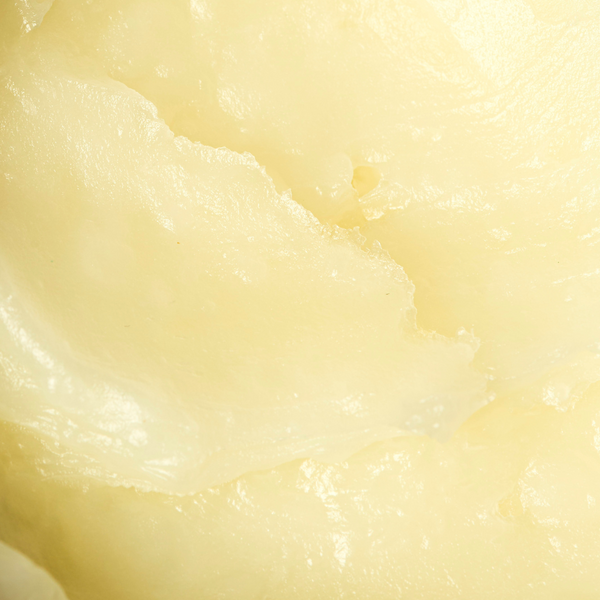
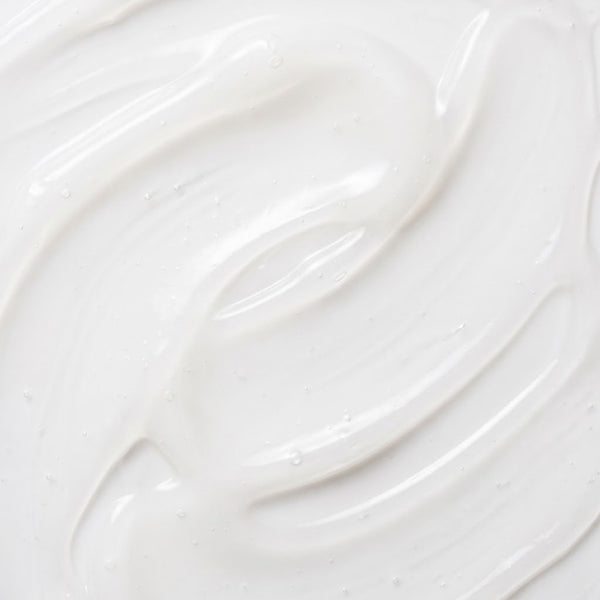
A lightweight moisturiser is a water-based moisturiser - usually a gel, water cream or lotion - that hydrates and supports the skin barrier without leaving a heavy or greasy film. It suits oily, combination and dehydrated skin, humid weather, and anyone who wants moisture that sits comfortably under sunscreen and make-up - and with the right pairing of ingredients, it can suit dry skin too.
As the Australian summer arrives, a heavy cream can start to feel like too much. Lightweight doesn’t mean less effective. It means the formula leans on humectants that hold water, paired with light emollients rather than rich butters.
Key Takeaways
• Lightweight moisturisers are built around water and humectants like hyaluronic acid, with fewer heavy oils and butters.
• Oily and combination skin still needs moisture - a lighter texture is often what makes daily moisturising comfortable.
• Dry skin needs water and oil, but it doesn’t need a heavy cream - humectants plus light emollients can do the job, especially in summer.
• What you reach for often changes with the season: lighter in warm, humid months, richer when the air is cold or dry.
• In the morning, a lightweight moisturiser should always be followed by sunscreen (reapplied throughout the day as directed).
What Is a Lightweight Moisturiser?
Every moisturiser does some mix of three jobs:
• Humectants draw water into the upper layers of skin - hyaluronic acid and glycerin are common examples.
• Emollients soften and smooth the surface - plant oils and lighter lipids.
• Occlusives form a film that slows water loss - butters, waxes and balms.
A lightweight moisturiser leans heavily on the first job and goes light on the third. The result is a texture that absorbs quickly, feels fresh rather than cushioned, and doesn’t leave much shine behind.
The main lightweight formats you’ll see are:
|
Format |
What it feels like |
Who it tends to suit |
|
Gel |
Clear or translucent, water-light, no slip |
Oily skin, very humid weather |
|
Water cream |
Bursts into water on contact, light but hydrating |
Dehydrated, combination and normal skin |
|
Lotion |
Fluid and soft, a little more cushion than a gel |
Normal to combination skin, layering under SPF |
|
Cream |
Thicker, with more oils and butters |
Dry, mature or cold-weather skin |
Who Needs a Lightweight Moisturiser?
Oily and combination skin. A common reason people with oily skin skip moisturiser is that heavy creams feel greasy. Skipping it altogether can leave skin dehydrated, and dehydrated skin can look dull and feel tight even while it looks shiny. A lighter formula makes daily moisturising easier to stick to.
Dehydrated skin. Dehydration is a lack of water, not a lack of oil, so it can happen to any skin type. Humectant-rich lightweight formulas are designed to target exactly that.
Warm, humid weather. In a humid Queensland summer, a rich cream can feel like too much. Many people switch to a lighter texture as the weather warms up and back to a richer one when it cools.
Under make-up and sunscreen. Lightweight formulas absorb quickly, which makes them easier to layer under SPF and make-up without pilling.
Dry skin - yes, really. See the next section.
Lightweight Moisturisers for Dry Skin
It’s a common assumption that dry skin needs the richest cream you can find. But dry skin needs two things - water and oil - and neither has to come in a heavy texture.
A lightweight moisturiser for dry skin pairs humectants such as hyaluronic acid, which draw water into the skin’s surface, with light emollients that help hold it there. The result is skin that feels soft and comfortable, without a greasy finish - which matters most in summer, when a thick cream under sunscreen can feel like too much.
Dry vs dehydrated. Dry skin produces less oil; dehydrated skin is short on water. Many people are both, especially in summer heat or after long days in air conditioning. A humectant-rich formula targets the water; a light emollient or a few drops of oil takes care of the rest.
Still feeling tight by midday? Press two drops of rosehip oil over your moisturiser at night. It adds the oil dry skin wants without changing the light texture of your daytime routine.
When to go richer. On the driest days, in cooler months, or if skin feels rough or flaky, a comfort cream may suit you better - and it’s fine to keep both on hand.
We’ve brought these options together in our Lightweight Moisturisers for Dry Skin collection, from weightless water cream to daily lotion, with rosehip oil and a richer comfort cream for when skin wants more.
Lightweight vs Rich Moisturiser: Which Do You Need?
It’s less about choosing one forever and more about matching texture to your skin and the conditions.
|
If your skin… |
Try |
|
Looks shiny by midday |
A gel or water cream |
|
Feels tight but looks shiny |
A water cream over a hydrating serum |
|
Feels comfortable all day |
A lotion or water cream |
|
Feels dry but heavy creams feel too much |
A water cream or lotion, plus two drops of rosehip oil at night |
|
Feels tight, rough or flaky |
A richer comfort cream, or a light moisturiser plus a facial oil |
|
Changes with the seasons |
A lighter texture in summer, richer in winter |
Plenty of people use both: a lightweight moisturiser in the morning, and a richer cream at night when there’s no sunscreen or make-up to layer over the top.
What to Look For in a Lightweight Moisturiser
Humectants high on the ingredient list. Hyaluronic acid (often listed as sodium hyaluronate) and glycerin hold water in the upper skin layers without weight.
Barrier support. Lighter doesn’t have to mean thinner on barrier care. Ingredients like ceramides help support the skin barrier in a light texture.
Soothing botanicals. Aloe vera is a common addition to lightweight formulas for a cooling, calming feel.
A texture you’ll actually use. The moisturiser that works is the one you apply twice a day. If a formula feels heavy, you’re less likely to keep using it.
Patch test first. Whatever the texture, patch test any new product before using it on your whole face.
How to Get More From a Lightweight Moisturiser
Apply to damp skin. Humectants work best when there’s water available to draw on. Apply within a minute of cleansing or misting.
Layer hydration underneath. A hydrating toner and a hyaluronic acid serum before a light moisturiser adds hydration without adding weight.
Seal at night if you need to. If skin feels tight overnight, press a few drops of facial oil over your moisturiser, or switch to a richer night cream.
Finish with SPF in the morning. A moisturiser isn’t a substitute for sunscreen. Apply SPF as the last step of your morning routine and reapply throughout the day as directed on the label.
A Lightweight Summer Moisturiser Routine
Morning
1. Cleanse - Vitamin C Cleansing Mousse for a lighter, foaming finish, or Rosehip Cream Cleanser for drier skin
2. Hydrate - Hydrating Mist Toner on damp skin, then Hyaluronic Acid+ Ultra Serum
3. Moisturise - Hyaluronic Acid+ Water Cream, an ultra-lightweight water cream with three molecular weights of plant-derived hyaluronic acid, aloe vera and ceramides. For a glow-focused lotion, try Vitamin C Moisturising Lotion.
4. Protect - SPF 50+ Omega-Boost Sheer Mineral Sunscreen, applied as the last step of your morning routine and reapplied throughout the day as directed on the label
Evening
1. Oil cleanse - Rosehip Transformation Cleansing Oil to remove sunscreen and make-up
2. Water-based cleanse - Rosehip Cream Cleanser
3. Hydrate - Hyaluronic Acid+ Ultra Serum on damp skin
4. Moisturise - Hyaluronic Acid+ Water Cream again, or Ultra Hydrating Face Cream if skin wants more comfort overnight
5. Seal for dry skin - two drops of Certified Organic Rosehip Oil pressed over the top
Shop the edit: every moisturiser in this routine, plus rosehip oil, is in our Lightweight Moisturisers for Dry Skin collection.
For sensitive skin: Very Gentle Moisturising Cream is fragrance-free and formulated for sensitive, reactive skin.
Common Lightweight Moisturiser Mistakes
Skipping moisturiser because skin is oily. Oily skin can still be dehydrated. A light formula is a better fix than no formula.
Applying to bone-dry skin. Humectants need water to work with. Damp skin helps.
Using one texture all year. What feels right in January can feel thin in July. It’s fine to switch with the seasons.
Relying on moisturiser as sun protection. Unless a product is labelled and tested as a sunscreen, it doesn’t replace one.
Piling on too many layers. Toner, serum, moisturiser and SPF is plenty for most mornings. More layers can lead to pilling under make-up.
Frequently Asked Questions
What is a lightweight moisturiser? It’s a water-based moisturiser - usually a gel, water cream or lotion - that relies mainly on humectants like hyaluronic acid to hydrate, with fewer heavy oils and butters. It absorbs quickly and leaves little shine.
Is a lightweight moisturiser good for oily skin? Yes. Oily skin still needs hydration, and a lightweight texture makes it easier to moisturise without feeling greasy. Gels and water creams tend to suit oily and combination skin well.
Can a lightweight moisturiser work for dry skin? Yes. Dry skin needs water and oil, and a lightweight moisturiser that pairs humectants like hyaluronic acid with light emollients can provide both without a heavy feel. If skin still feels tight, press two drops of rosehip oil over the top at night, or switch to a richer cream on the driest days.
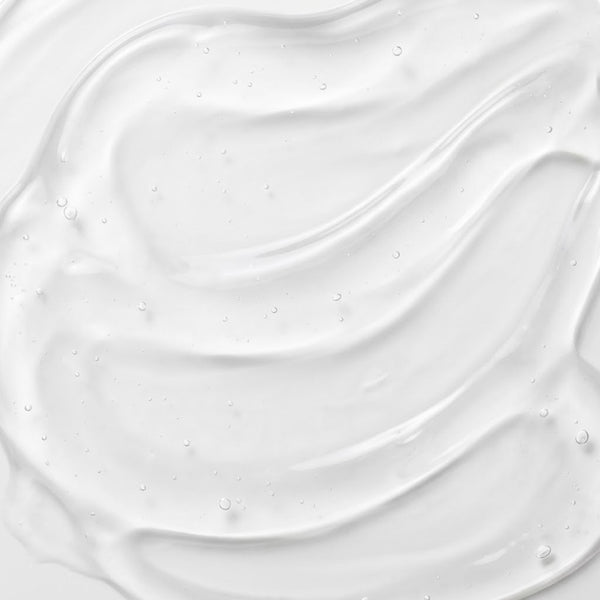
What’s the difference between a gel moisturiser and a water cream? A gel is typically clear and very light, with little slip. A water cream has a creamier look but breaks into water as you apply it, giving a little more cushion while still feeling light.
Should I use a different moisturiser in summer? Many people find a lighter texture more comfortable in warm, humid months and a richer one in winter. Switching with the seasons is a simple way to keep skin comfortable year-round.
Do I still need sunscreen if I use a moisturiser? Yes. A moisturiser isn’t a sunscreen - Trilogy moisturisers don’t contain SPF. Apply your moisturiser first, then sunscreen as the last step of your morning routine, reapplied throughout the day as directed on the label.
How do I apply a lightweight moisturiser? Apply to slightly damp skin after cleansing, toner and serum. Use a small amount, press it in gently, and finish with SPF in the morning.