

Korean skincare works because of its method, not its shelf. The core ideas - cleanse thoroughly, hydrate in thin layers, protect the barrier, wear sunscreen daily, and stay consistent - are the parts dermatologists agree on. The ten-step routine is optional. The habits underneath it are what change how skin looks.
That distinction matters, because you can get most of what K-beauty offers without importing a ten-product routine, and without ingredients that don’t suit your skin or your values.
Key Takeaways
• K-beauty’s results come from layering, consistency and daily SPF - not from the number of steps.
• Most people see the same benefit from four to six well-chosen products as from ten.
• Hydration layering (thin, damp-skin layers) is the single most transferable K-beauty technique.
• Several signature K-beauty ingredients have plant-based equivalents with comparable research behind them.
• Snail mucin, one of the most talked-about K-beauty ingredients, is not vegan - plant-derived ingredients like hyaluronic acid and rosehip oil can be used for similar hydration and repair goals.
What Is K-Beauty, Actually?
K-beauty is shorthand for the skincare philosophy that developed in South Korea and reached Western markets in the mid-2010s. It isn’t a certification or an ingredient standard. It’s a set of habits: treat skin gently, hydrate in layers rather than in one heavy application, prevent damage instead of correcting it later, and treat sunscreen as non-negotiable.
Korean formulation culture also moves faster than Western formulation culture. Textures are lighter, packaging is more experimental, and ingredients move from research to shelf quickly. That’s why so many ingredient trends - centella, ferments, cica balms, essences - arrive in Australia labelled “Korean” even when they aren’t uniquely Korean at all.
The useful takeaway isn’t “buy Korean products.” It’s that a gentle, layered, prevention-led routine outperforms an aggressive one for most skin types.
The 10-Step Korean Skincare Routine: What Each Step Actually Does
The ten-step routine is the most recognisable thing about K-beauty and the most misunderstood. In Korea it was never a daily requirement - it was a menu. Here is what each step is for, and how essential it actually is.
|
Step |
What it does |
How essential |
|
1. Oil cleanse |
Dissolves sunscreen, make-up and sebum |
Essential if you wear SPF or make-up |
|
2. Water-based cleanse |
Removes sweat, residue and the oil cleanser |
Essential |
|
3. Exfoliate |
Clears dead surface cells |
1–2x weekly, not daily |
|
4. Toner |
Rebalances and preps damp skin for layering |
Useful |
|
5. Essence |
Lightweight hydration layer |
Optional - a hydrating toner or serum does the same job |
|
6. Serum / ampoule |
Targeted actives |
Essential - this is where results come from |
|
7. Sheet mask |
Concentrated hydration burst |
Occasional treat |
|
8. Eye cream |
Hydration for thinner skin around the eye |
Useful, not critical |
|
9. Moisturiser |
Seals hydration, supports the barrier |
Essential |
|
10. SPF (morning, reapplied as directed) |
Helps protect skin from UV damage |
Non-negotiable |
Strip it back and four steps carry the results: cleanse, hydrate, treat, protect. Everything else is refinement.
The K-Beauty Principles Worth Copying
Layer thin, layer damp. Applying hydrating products to skin that’s still slightly damp, in several light layers rather than one thick one, holds more water in the upper skin layers. This is the “7 skin method” in its simplest form, and it works with almost any hydrating toner or mist.
Cleanse in two stages. Oil first, then a gentle water-based cleanser. Oil dissolves what water can’t - mineral sunscreen in particular - so the second cleanse isn’t fighting a film.
Prevention over correction. Daily SPF, consistent antioxidant use and barrier support do more over ten years than any single corrective treatment does in ten weeks.
Gentleness as a strategy. K-beauty routines rarely stack multiple strong acids or high-strength retinoids. Fewer irritants means a more resilient barrier, and a resilient barrier tolerates actives better.
Consistency beats intensity. A modest routine performed nightly will out-perform an elaborate one performed sporadically.
K-Beauty’s Hero Ingredients - and What Else Works
|
K-beauty ingredient |
What it’s used for |
What else works |
|
Snail mucin (snail secretion filtrate: animal-derived, not vegan) |
Hydration, skin repair, glow |
Plant-based options for similar goals: hyaluronic acid + cold-pressed rosehip oil |
|
Centella asiatica (“cica”) (plant-derived) |
Calming, barrier support |
Rosehip oil, calendula, plant-derived squalane |
|
Rice ferment filtrate (plant-derived) |
Softening, brightening |
Vitamin C, plant-based AHAs |
|
Ginseng (plant-derived) |
Antioxidant support, radiance |
Rosehip oil, CoQ10 |
|
Propolis (bee product: not vegan) |
Soothing, protective film |
Plant oils and butters |
|
Niacinamide |
Tone, barrier, oil balance |
Common in Western skincare. Naturally derived options available; however many brands use synthetic niacinamide |
Two things are worth noticing here. First, the gap between “K-beauty ingredient” and “natural skincare ingredient” is much narrower than the marketing on either side suggests. Second, several of the best-known K-beauty ingredients - snail mucin and propolis in particular - are animal-derived, which matters if you’ve built the rest of your routine around plant-based formulation.
Is Korean Skincare Better Than Western Skincare?
Neither is categorically better. They’re built on different defaults.
Korean routines tend to lead with hydration, layering and prevention. Western routines have historically led with actives - retinoids, acids, higher-strength vitamin C - and correction. The best routines borrow from both: K-beauty’s layering and gentleness, Western skincare’s discipline about evidence-backed actives at sensible concentrations.
Where K-beauty has a genuine edge is texture and tolerability. Where Western formulation has an edge is transparency around active concentrations. A routine that takes the structure from one and the ingredient rigour from the other is stronger than either alone.
How to Build a K-Beauty-Inspired Routine With Natural Skincare
You don’t need Korean products to use Korean method. Here’s the structure mapped to a natural, plant-led routine.
Morning
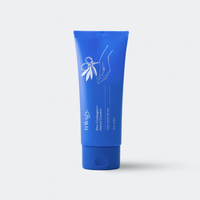
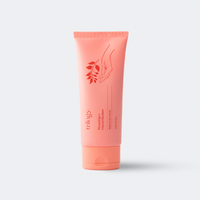
1. Gentle water-based cleanse - Rosehip Cream Cleanser, or Vitamin C Cleansing Mousse for a lighter finish
2. Hydrating toner on damp skin - Hydrating Mist Toner or Vitamin C Energising Mist Toner
3. Serum - Vitamin C+ Super Serum for tone and radiance, or Hyaluronic Acid+ Ultra Serum for hydration
4. Moisturise - Hyaluronic Acid+ Water Cream for lightweight layering, or Vital Moisturising Cream for drier skin
5. SPF - SPF 50+ Omega-Boost Sheer Mineral Sunscreen, applied as the last step of your morning routine and reapplied throughout the day as directed on the label
Evening
1. Oil cleanse - Rosehip Transformation Cleansing Oil, or Melt Away Make-up Balm
2. Water-based cleanse - Rosehip Cream Cleanser
3. Exfoliate (1–2x weekly) - Vitamin C Microdermabrasion
4. Toner on damp skin - Hydrating Mist Toner
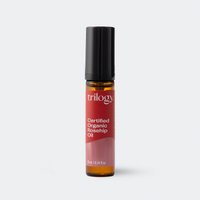
5. Treat - Certified Organic Rosehip Oil, Rosehip Oil Antioxidant+, or Rosapene™ Bakuchiol Oil as a natural retinol alternative
6. Moisturise / seal - Replenishing Night Cream or Rosapene™ Night Cream
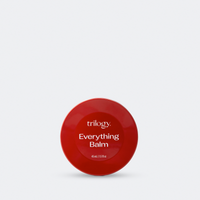
7. Occlusive finish, when the barrier needs it - Everything Balm on dry patches (note: Everything Balm contains beeswax and honey, so it isn’t vegan - skip this step or use a facial oil instead if that matters to you)
That’s a complete K-beauty-structured routine at roughly five steps in the morning and six at night, built on plant-derived hydration, antioxidant and barrier ingredients rather than snail mucin or propolis.
Where Trilogy Fits
Trilogy is a New Zealand natural skincare brand built around Certified Organic Rosehip Oil - cold-pressed and unrefined from wild-harvested Rosa canina. It isn’t a K-beauty brand, and it doesn’t try to be.
What it shares with the K-beauty approach is the underlying method: gentle cleansing, layered hydration, a small number of well-researched actives, and formulation restraint rather than ingredient maximalism. Where a K-beauty routine reaches for snail mucin or PDRN, Trilogy uses rosehip oil, hyaluronic acid, bakuchiol and vitamin C for similar goals - all plant-derived, all with published research behind them.
If you like how a Korean routine is built but want it without animal-derived ingredients, that’s the overlap worth exploring.
Frequently Asked Questions
What is the Korean skincare routine? It’s a layered routine built around gentle cleansing, multiple thin hydration layers, targeted serums, a sealing moisturiser and daily sunscreen. The well-known ten-step version is a menu of options, not a daily requirement - four to six steps delivers most of the benefit.
Do I really need all 10 steps of Korean skincare? No. Cleanse, hydrate, treat and protect are the four steps that drive results. The remaining steps refine texture and comfort, and most Korean skincare users don’t perform all ten daily either. SPF is the non-negotiable step that should be applied in the morning and reapplied throughout the day as directed.
Is Korean skincare better than Western skincare? Neither is better overall. Korean routines lead with hydration, layering and prevention; Western routines lead with higher-strength actives and correction. Combining the structure of one with the ingredient rigour of the other works better than either alone.
Is Korean skincare good for sensitive skin? The method suits sensitive skin well, because it prioritises gentle cleansing, barrier support and light layering over strong acids. Individual products still need checking - some K-beauty formulas use fragrance or essential oils that sensitive skin may not tolerate.
Is snail mucin vegan? No. Snail secretion filtrate is an animal-derived ingredient. Hyaluronic acid and cold-pressed rosehip oil are plant-derived ingredients that can be used for similar hydration and skin repair goals.
What is the 7 skin method? It’s the practice of applying seven thin layers of a hydrating toner or essence to damp skin, one after another. It works on the principle that several light layers hold more water in the upper skin layers than one heavy application. Three to four layers is enough for most people.
Can I use natural skincare in a Korean skincare routine? Yes. The routine is a structure, not an ingredient list. Plant-derived oils, hyaluronic acid, vitamin C and bakuchiol slot into the cleanse–hydrate–treat–protect sequence without any change to the method.
What’s the difference between an essence and a serum? An essence is a lightweight, watery hydration layer applied after toner. A serum is more concentrated and targets a specific concern like pigmentation or fine lines. If you use a hydrating toner and a serum, you don’t strictly need a separate essence.